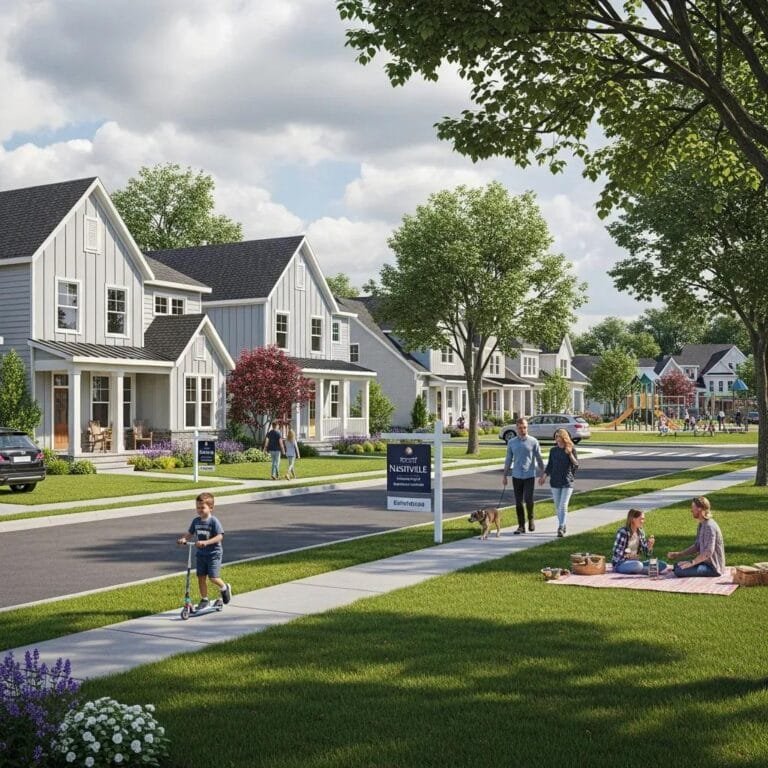
First-Time Homebuyer Programs in Nashville, TN — Your Complete Guide to Loans, Grants, and Next Steps
By William Clendening, Nashville native and trusted real estate agent
Buying a first home can be exciting. It can also be challenging, especially in a dynamic market like Nashville. Prospective homeowners sometimes feel overwhelmed. This guide aims to simplify this experience.
This is your essential guide to first-time homebuyer programs. These programs are available at local, state, and federal levels in Nashville. We will detail eligibility criteria, program benefits, and application steps. Navigating down payment requirements and loan options can feel daunting. However, appropriate programs can significantly alleviate these obstacles, making homeownership an attainable and realistic goal. This guide provides clear explanations of key programs, offers essential eligibility tips, and actionable next steps, empowering you to proceed with confidence.
Which first-time homebuyer programs should Nashville buyers know about?
Nashville homebuyers have access to many advantageous programs that enhance affordability. Significant assistance comes from the Tennessee Housing Development Agency (THDA). Federal loan options are also available, tailored to diverse needs. Local grants exist specifically for Nashville residents. This guide clarifies the distinctions, facilitating the selection of the most suitable option for your individual circumstances.
What state-level help does THDA provide in Nashville?
The Tennessee Housing Development Agency (THDA) offers valuable support. Several beneficial programs make homeownership more accessible for first-time homebuyers. The Great Choice Home Loan, for instance, offers competitive interest rates and essential down payment assistance. Other THDA programs have income and credit requirements, ensuring valuable aid reaches those who need it most. Thorough preparation is crucial. Understanding THDA’s guidelines is key to preparing a robust application. These include income limits, minimum credit standards, and mandatory education.
- Great Choice Home Loan: This mortgage option provides competitive rates and essential down payment assistance.
- Great Choice Plus: This program offers up to 5% of the loan amount for down payment assistance.
- Homeownership for the Brave: This specialized program provides targeted assistance for veterans and active military members.
These THDA programs reduce upfront costs and enhance the manageability of monthly payments for first-time buyers, contributing to making homeownership a reality.
Which federal loan programs support first-time buyers in Nashville?
Federal loan programs offer significant pathways for first-time buyers. FHA loans offer flexible down payment and credit requirements. VA loans provide advantageous terms for veterans. USDA loans feature zero-down options for eligible rural properties. Each program is designed to accommodate diverse buyer profiles. We encourage you to compare their eligibility and benefits to determine the most suitable option for your specific circumstances.
- FHA Loans: The Federal Housing Administration insures these loans. They feature lower down payment requirements and more flexible credit criteria, significantly enhancing homeownership accessibility.
- VA Loans: These loans are exclusively for eligible veterans and active military members. They often require no down payment and typically do not necessitate private mortgage insurance, providing substantial benefits.
- USDA Loans: These loans are for eligible rural homebuyers. They provide a zero down payment option and generally feature competitive interest rates, making homeownership in eligible rural areas more attainable.
Federal options can significantly expand opportunities, opening doors to homeownership even when traditional financing seems challenging. Consult with your lender about these options early in the process.
How does the THDA Great Choice Home Loan help Nashville first-time buyers?
The THDA Great Choice Home Loan is a valuable option for many Nashville buyers due to its comprehensive benefits. It offers a combination of attractive interest rates and down payment assistance. This reduces both your monthly expenditures and the cash required at closing. This program offers a significant dual advantage to eligible applicants, contributing to a smoother and more affordable homeownership journey.
What does it take to qualify for the THDA Great Choice program?
Qualifying for the Great Choice program is straightforward. It typically requires a minimum credit score, often around 640. You must also adhere to household income limits, which vary by county and household size. Completion of a homebuyer education course is also required. Proactive planning is beneficial. Reviewing these requirements early allows you to proactively address credit improvements and complete necessary coursework prior to application, empowering applicants to present a strong application. Resources like the FTC’s guide on improving your credit score are available. We are committed to supporting you throughout the process.
How does Great Choice Plus down payment assistance work?
Great Choice Plus provides a significant advantage. It offers substantial down payment assistance, allowing you to receive up to 5% of the loan amount. This assistance is applied for concurrently with the Great Choice Home Loan, significantly reducing the upfront capital required at closing and facilitating the initial step into homeownership.
What local Nashville down payment grants and assistance programs are available?
Local support is available. Metro Nashville and its partners provide valuable grants and programs tailored to city-specific needs, complementing state and federal support. These funds frequently target down payments and closing costs. Some are structured as forgivable grants, offering a significant advantage over traditional loans.
Which Metro Nashville programs help with down payments and closing costs?
Metro Nashville provides assistance. Several programs alleviate the initial financial burden for first-time buyers, easing the initial financial burden of homeownership. Many of these grants are non-repayable; however, they are subject to income and residency requirements, ensuring assistance goes to eligible recipients. We encourage you to explore further details, typically available on the Metro Nashville Housing Department website.
- Metro Nashville Down Payment Assistance: This grant provides up to $10,000 to assist with down payment costs.
- Closing Cost Assistance Program: This grant assists with closing expenses.
- Homebuyer Incentive Program: This offers financial support for qualifying first-time buyers.
These local grants can significantly impact your transition from renting to homeownership. It is advisable to review their eligibility criteria and application periods.
How do local non-profits support first-time buyers in Nashville?
Non-profit organizations in Nashville are valuable allies. They serve as valuable resources, providing workshops, personalized counseling, and sometimes direct financial assistance. They offer supportive guidance for homebuyer education and practical advice, which is especially helpful for individuals new to the homebuying process. Many are HUD-approved, with listings available on the HUD website, making them an excellent starting point for your homebuying journey.
Why does homebuyer education matter for Nashville buyers?
Homebuyer education is a powerful step. It provides essential knowledge and tools, empowering you to make informed financial decisions that are crucial throughout your homeownership journey. Many assistance programs mandate a certified course, recognizing that educated buyers are better equipped to manage the responsibilities and costs of homeownership. This sets you up for long-term success in homeownership.
Where can Nashville buyers take the required homebuyer education courses?

These courses are conveniently available through local non-profits, housing agencies, and approved online providers. The curriculum typically covers essential topics, including budgeting, mortgage types, and closing costs. It also teaches strategies for avoiding common pitfalls, equipping you with confidence. Completing an approved course is often a prerequisite for accessing certain grants or THDA programs, making it a strategic and beneficial step for prospective buyers. Approved counselors and courses can often be located via the HUD website.
How does completing education affect program eligibility?
A homebuyer education certificate can significantly enhance eligibility. Many assistance programs require a homebuyer education certificate as a condition for fund approval. This certification demonstrates your understanding of mortgage terms and homeownership responsibilities. It represents a modest upfront investment that significantly enhances your access to valuable financial assistance, yielding substantial benefits.
How do first-time buyers actually navigate the Nashville buying process?
Navigating the homebuying process can be streamlined when approached with clear, sequential steps and appropriate professional support. The following outlines practical steps that prepare you for and help you confidently pursue homeownership in Nashville. We are committed to guiding you through each stage.
What steps should you take to prepare for buying your first Nashville home?
Thorough preparation is a significant advantage. It empowers you with confidence and leverage, which is vital within a competitive market. Think of these as your essential roadmap for success:
- Assess Your Finances: Carefully assess your credit profile, quantify your savings, and establish a realistic budget. Ensure your desired home aligns with your financial capacity.
- Obtain Pre-Approval: Mortgage pre-approval is a crucial and powerful tool. It clarifies your financing capacity and helps your purchase offers stand out in a competitive market.
- Research Neighborhoods: Thoroughly research prospective areas. Consider factors like schools, commute times, and long-term property value. These elements are integral to finding the most suitable location.
How do you choose the right real estate agent for a first-time buyer?
Choosing the right real estate agent is a critical decision. Collaborate with an agent who has Nashville market expertise and understands first-time buyer programs; this is a significant advantage. Such an agent can effectively guide your property selection, assist in offer evaluation, and facilitate smooth navigation of inspections and closing procedures, contributing to a smoother transaction.
- Seek Experience: Prioritize agents with a demonstrated history of assisting first-time buyers in the Nashville market. Select an agent who demonstrates a clear understanding of first-time buyer needs.
- Verify References: Requesting recent client referrals assesses the agent’s performance in comparable situations.
- Assess Communication: Select an agent who demonstrates active listening, provides clear explanations of options, and communicates effectively according to your preferences. Effective communication is paramount.
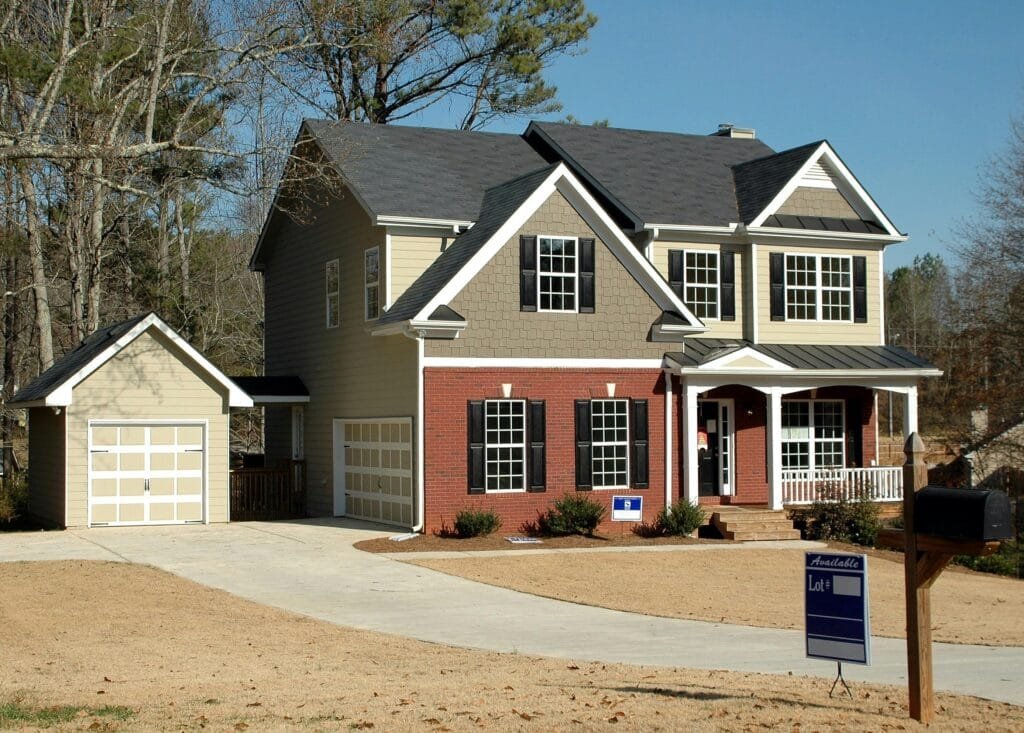
What does the 2026 Nashville housing market outlook mean for first-time buyers?
Considering the future outlook, Nashville sustains robust growth, and the housing market will continue to evolve. Understanding the impact of interest rates and housing inventory on affordability is crucial for strategic timing and establishing realistic expectations, empowering you to make smart, confident decisions.
How will mortgage rates and inventory affect first-time buyers in 2026?
Mortgage rates and housing inventory are primary determinants of affordability. Elevated rates can result in increased monthly costs, and limited inventory intensifies competition and can drive price appreciation. Navigating these trends requires careful consideration. Working closely with your trusted lender and agent is essential to craft a strategy that aligns with your financial plan.
What are the projected home price trends in Nashville for 2026?
Home prices in Nashville are generally projected to experience a moderate upward trend, driven by sustained demand and constrained housing supply. For first-time buyers, we encourage you to establish a comfortable long-term budget, carefully evaluate neighborhood trade-offs, and anticipate incremental price adjustments when planning your purchase. This ensures you find a neighborhood that meets your long-term needs.
Frequently Asked Questions
What financial assistance options are available for veterans in Nashville?
Nashville provides substantial support for veterans. Specific programs include THDA’s Homeownership for the Brave. Federal VA loans are also available, which frequently feature no down payment and no private mortgage insurance. These options significantly enhance home affordability for eligible service members and veterans. Thorough exploration is highly recommended.
How can first-time homebuyers improve their credit scores before applying for a mortgage?
Improving credit scores is a strategic step. To improve credit scores, first review credit reports for errors and dispute any inaccuracies. Then, focus on reducing high-interest balances, ensuring timely payments, and minimizing new credit inquiries immediately before applying for a mortgage. Consistent, incremental improvements can significantly impact mortgage terms and lead to more favorable mortgage terms. Free credit reports are available at AnnualCreditReport.com.
What common pitfalls should first-time homebuyers avoid in Nashville?
To ensure a streamlined experience, first-time homebuyers should proactively avoid common pitfalls. Do not neglect pre-approval or disregard inspection findings. Avoid hasty decisions regarding unresearched neighborhoods. Furthermore, it is crucial to avoid overextending your budget solely for a property. Always account for potential repairs, property taxes, and other ongoing costs. This prevents post-closing financial strain and ensures your peace of mind. Proactive planning is essential.
How does the Nashville housing market compare to other Tennessee cities?
The Nashville housing market is generally more competitive and often commands higher prices compared to many other Tennessee cities. This is attributed to robust job growth and significant population influx. Cities like Memphis or Chattanooga may offer lower entry prices; however, Nashville’s market typically exhibits higher demand and faster appreciation. Your location selection should align with your lifestyle preferences, employment requirements, and long-term investment objectives. Select a location that best meets your needs.
What role do local non-profits play in supporting first-time homebuyers?
Local non-profit organizations are valuable advocates. They provide invaluable counseling and education, and also offer occasional direct financial assistance. They serve as an excellent resource for unbiased advice, budget guidance, and program identification, providing supportive guidance, which is particularly beneficial for buyers new to the homebuying process.
Are there specific grants for low-income first-time homebuyers in Nashville?
Yes, specific opportunities are available for low-income first-time homebuyers in Nashville. Programs like Metro Nashville’s Down Payment Assistance can provide up to $10,000. Other local grants assist with closing costs. These programs typically feature income and residency limits; therefore, we encourage you to verify eligibility and apply promptly to optimize the potential for receiving assistance. These programs can significantly aid in achieving homeownership.
Conclusion
First-time homebuyers in Nashville have access to valuable opportunities that help reduce upfront costs and secure favorable financing. These resources facilitate homeownership. Dedicate yourself to understanding relevant programs, complete any mandatory education, and collaborate with trusted local experts. Then, the transition from aspiring homeowner to property owner can be achieved with greater ease. We encourage you to explore the programs discussed, obtain pre-approval, and engage with a reputable local agent to confidently commence your journey toward homeownership.